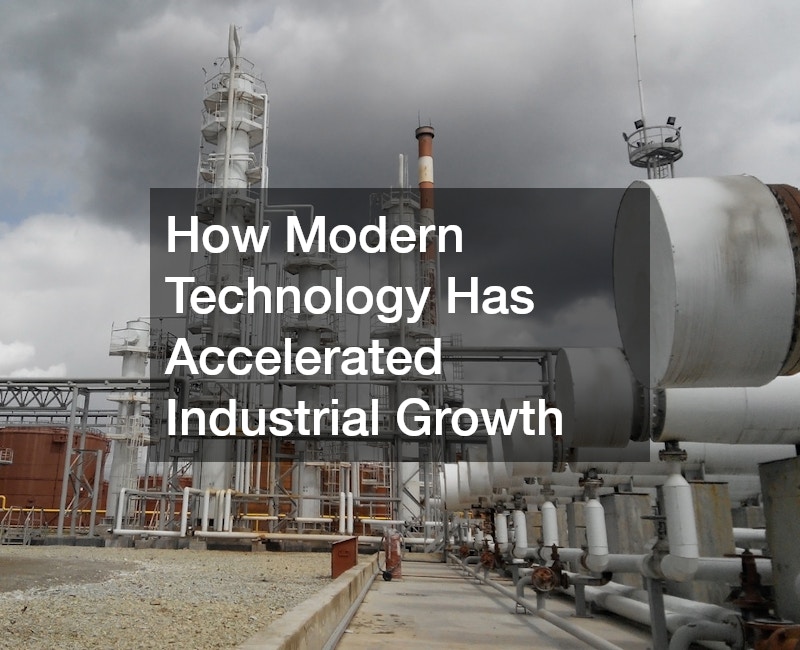
Modern technology has transformed the industrial sector at a pace unlike any previous era, reshaping how companies operate, produce, and innovate. From automation and robotics to digital monitoring and data-driven decision-making, technological advancements have streamlined operations and enabled industries to scale faster than ever. These tools improve efficiency, reduce manual labor, and help businesses respond more quickly to market demands. As industries continue adopting advanced systems, the gap widens between companies that embrace modernization and those that rely on outdated processes.
This acceleration in growth is not only about productivity; it is also about creating safer workplaces, improving sustainability, and enabling global collaboration. Technology supports smarter workflows, reduces downtime, and provides clearer oversight of industrial assets. It also opens the door to new business models, allowing industries to connect digital solutions with physical operations in ways that were once unimaginable. By understanding the major technological forces at play, business leaders can better position their companies to thrive in an increasingly competitive environment.
Advancing Automation Across Industries
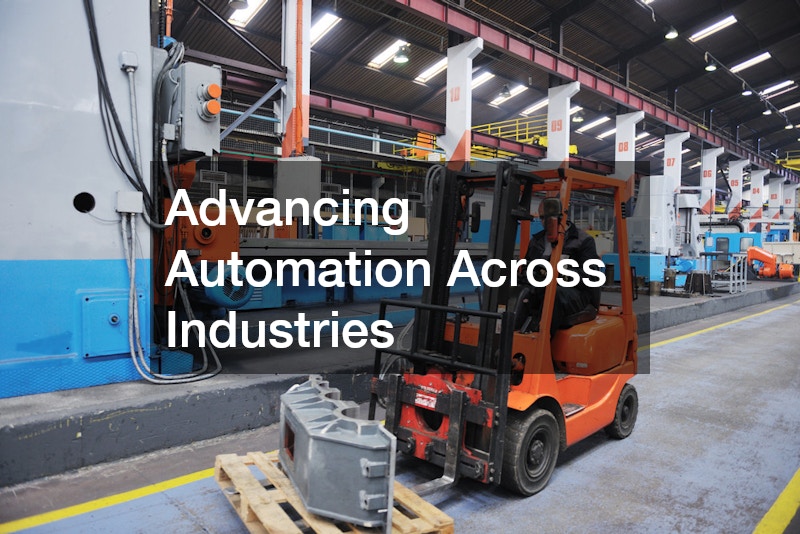
Automation has become one of the most influential drivers of industrial growth, enabling companies to increase production while reducing labor-intensive tasks. Modern automated systems perform repetitive activities with greater accuracy and speed, freeing workers to focus on high-value responsibilities that require judgment and creativity. Industries ranging from manufacturing to logistics benefit from automated machinery, robotics, and digital control systems that streamline workflows and reduce costly errors. By integrating these technologies, companies achieve higher output with fewer interruptions.
Automation also plays an important role in compliance and process validation, particularly in areas that require site certification before beginning large-scale operations. Automated systems help collect consistent data, track performance metrics, and document all necessary information for regulatory review. This reduces delays and ensures the site meets all required standards before production begins. As automation becomes more advanced, businesses gain the advantage of safer, more efficient, and more compliant operations that support long-term growth.
Enhancing Manufacturing Precision and Efficiency
Technological advancements have dramatically improved precision in manufacturing, allowing companies to produce high-quality components with tight tolerances and fewer defects. Computer-controlled machines, 3D modeling software, and precision sensors help streamline the production process while maintaining consistent quality. These improvements reduce waste, enhance repeatability, and shorten production cycles. With greater control over manufacturing variables, companies can deliver better products at a faster rate without compromising on accuracy.
Industries that rely on moisture control or soil stability often integrate solutions related to commercial construction dewatering to maintain the ideal conditions for equipment performance and material integrity. Stable environments help precision machinery operate more accurately, ensuring the manufacturing process is not disrupted by excess water, humidity fluctuations, or foundation-related issues. By pairing advanced technology with proper environmental preparation, manufacturers achieve smoother workflows and improved operational reliability.
Transforming Data Collection and Analysis
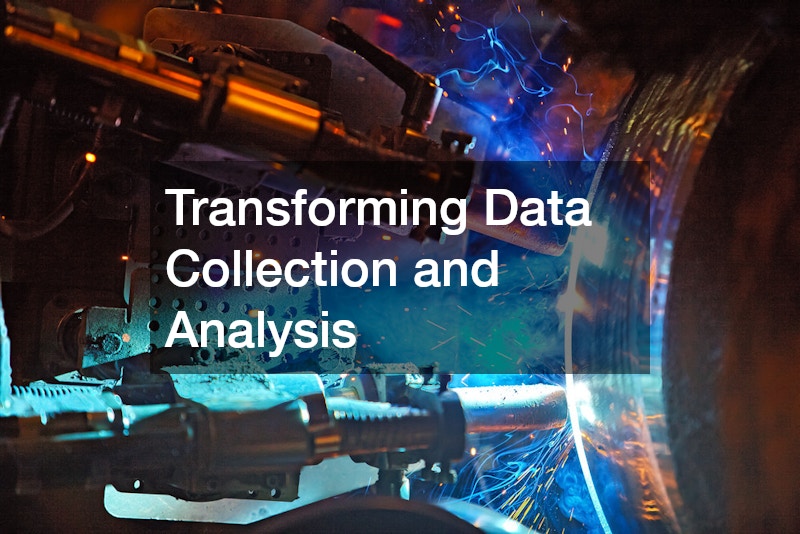
Data has become one of the most valuable assets in modern industry, and technology has completely transformed how companies collect, interpret, and apply it. Sensors, connected machinery, and digital monitoring platforms allow businesses to gather real-time information on everything from equipment performance to energy usage. This constant flow of data enables leaders to identify inefficiencies, predict maintenance needs, and make more informed operational decisions. Instead of relying on estimates or delayed reports, industries now base strategies on precise insights that reflect current conditions. The result is faster decision-making, reduced downtime, and a stronger ability to forecast future demands.
Advanced data analytics also support long-term quality control and compliance efforts by documenting performance trends and identifying anomalies that require attention. Industries that install specialized materials, such as epoxy flooring, may use data tools to monitor wear patterns, assess environmental impact, and ensure surfaces remain safe and functional. These insights help companies plan replacement schedules, optimize maintenance strategies, and understand how production processes affect facility conditions. Ultimately, the integration of data analytics enables industries to operate with greater clarity, efficiency, and strategic oversight.
Revolutionizing Supply Chain Management
Technology has reshaped supply chain operations by improving speed, visibility, and coordination across global networks. Automated systems, RFID tracking, cloud-based logistics platforms, and AI forecasting tools enable companies to monitor shipments in real time, track inventory levels precisely, and anticipate disruptions before they occur. This level of visibility allows industries to adjust production schedules, reroute shipments, and maintain consistent supply even during unpredictable market shifts. As a result, companies are better equipped to meet customer expectations and reduce costly delays. The modern supply chain is no longer reactive—it is predictive, connected, and responsive.
In addition to logistics improvements, industries have strengthened supply chain safety and compliance through integrated fire protection systems. For example, facilities that rely on large-scale storage operations often incorporate a commercial sprinkler system to minimize potential fire risks. These systems are connected to automated monitoring platforms that detect irregularities, activate emergency protocols, and notify management instantly. When combined with advanced tracking and communication tools, these protections ensure that industrial goods remain safe throughout every stage of storage and distribution. Technology has made it possible for supply chains to be not only faster, but also safer, more resilient, and better prepared for unexpected challenges.
Improving Energy Usage and Sustainability
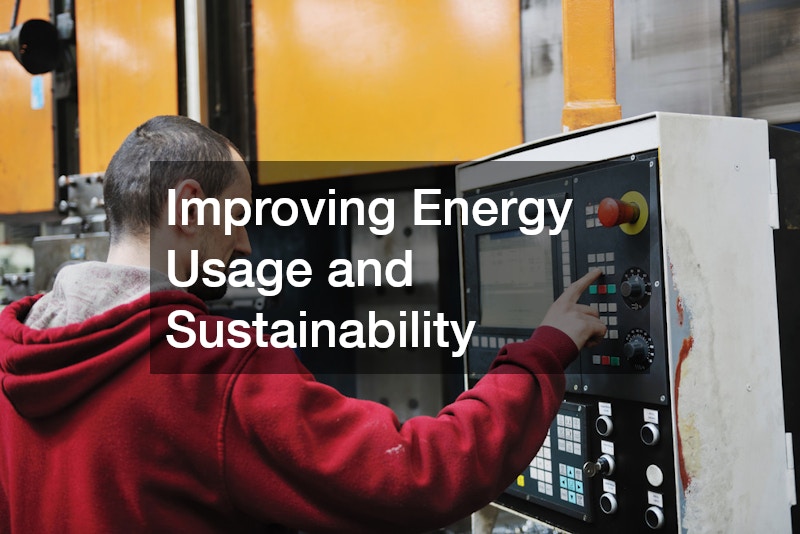
Sustainability has become a central focus for industries seeking to reduce costs, lower environmental impact, and comply with evolving regulations. Modern technology enables businesses to track energy consumption accurately, optimize machine performance, and implement more efficient systems that use fewer resources. Smart meters, energy-efficient motors, automated climate controls, and renewable power integrations help companies maintain consistent production while significantly decreasing waste. These improvements support both economic and environmental goals, allowing industries to remain competitive while contributing to broader sustainability initiatives.
Many industries partner with commercial building contractors to incorporate energy-efficient designs into new construction or facility upgrades. These contractors help companies implement advanced insulation, efficient lighting systems, and environmentally friendly materials that reduce long-term operational costs. By combining technological innovations with thoughtful construction strategies, industries create work environments that support sustainable practices and boost performance simultaneously. Embracing modern energy solutions is no longer optional—it is a critical component of industrial growth, regulatory compliance, and long-term financial stability.
Expanding Remote Monitoring Capabilities
Remote monitoring has dramatically expanded what industries can oversee and control from a distance, allowing teams to track operations without being physically present at a facility. Modern sensors, cloud dashboards, and connected machinery make it possible to detect equipment malfunctions, temperature fluctuations, security breaches, or production delays in real time. This level of visibility reduces response time, prevents costly downtime, and enables companies to deploy resources more efficiently. Remote monitoring also supports multi-site management, giving leaders a centralized view of operations across multiple locations.
This technological shift has encouraged industries to strengthen security measures by integrating services such as commercial locksmith services to protect remote or unattended areas. When paired with digital monitoring systems, enhanced physical security ensures that only authorized personnel can access sensitive zones, equipment rooms, or high-value inventory. Remote alerts notify managers instantly if locks are compromised or doors are opened unexpectedly, merging technology and physical safeguards into a cohesive protection strategy. By combining real-time monitoring with strong on-site security, industrial operations become both more efficient and more secure.
Strengthening Industrial Safety Measures
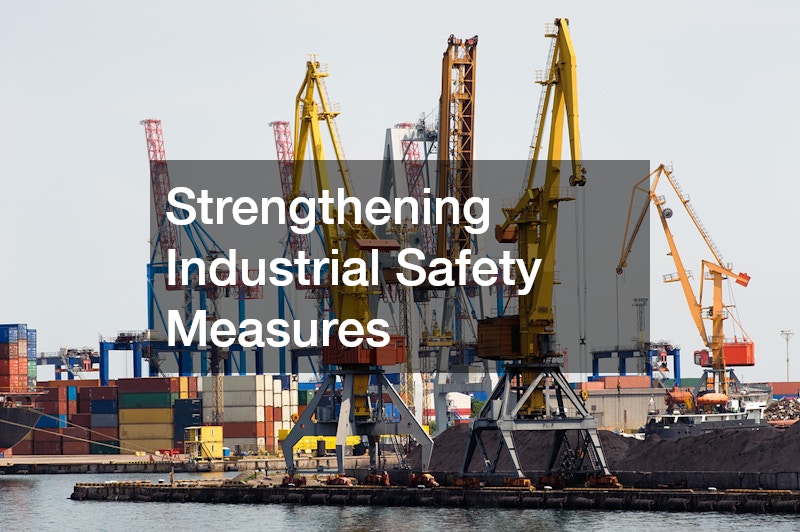
Modern technology has significantly improved industrial safety by reducing human exposure to hazardous conditions and providing advanced tools for risk prevention. Automated shutoff systems, wearable safety devices, AI-powered hazard detection, and machinery equipped with emergency overrides all contribute to safer workplaces. These advancements help identify dangers before they escalate, ensuring workers remain informed and protected. With detailed safety data and automated reporting, industries can refine their protocols and maintain compliance with regulatory standards more easily. Safer environments also boost employee morale and reduce costly incidents that disrupt operations.
To further enhance workplace safety, many industries integrate access control installations that restrict entry to high-risk or specialized operational zones. These secure entry systems allow managers to regulate who can access machinery rooms, chemical storage, or sensitive equipment areas. Digital logs track who entered and when, creating an additional layer of accountability and reducing the likelihood of unauthorized or unsafe access. When safety systems, surveillance tools, and access control work together, industrial facilities achieve a more advanced and proactive approach to workplace protection.
Accelerating Product Development Cycles
Technology has shortened product development timelines by streamlining design, testing, and prototyping processes. Tools such as 3D modeling software, simulation platforms, and rapid prototyping equipment allow engineers to test ideas quickly and refine them before moving to production. These capabilities reduce trial-and-error workloads, cut material waste, and speed up innovation. Moreover, digital collaboration tools enable cross-functional teams—designers, engineers, quality inspectors, and production managers—to work together seamlessly, even from different locations. Faster development cycles allow industries to stay competitive in markets that demand constant improvement.
Electrical infrastructure also plays an important role in powering the tools that accelerate development, which is why many companies partner with a commercial electrician to ensure systems remain reliable and up to modern standards. Development facilities often operate high-powered machinery, testing equipment, and delicate electronics that require stable electrical output. Upgraded wiring, dedicated circuits, and surge protection enable technology to run efficiently without interruption. By pairing advanced design tools with reliable electrical systems, industries create an environment where innovation can thrive and new products can reach the market more quickly.
Integrating Smart Systems Into Operations
Smart systems have rapidly become essential components of modern industrial operations, helping companies connect machinery, environmental controls, safety tools, and management platforms into a unified network. These systems communicate with each other to optimize performance, automatically adjust settings, and identify irregularities before they escalate. Smart technology also allows facilities to balance workload distribution, schedule predictive maintenance, and minimize resource waste. By operating in a more coordinated and intelligent way, industries improve their efficiency while reducing operational stress on equipment and personnel.
As companies adopt these interconnected systems, many collaborate with fire sprinkler design companies to ensure safety mechanisms integrate seamlessly into smart infrastructures. These modern sprinkler systems often include automated alerts, remote monitoring capabilities, and real-time system diagnostics that ensure facilities remain protected around the clock. Combining smart operational tools with intelligent safety systems results in a more resilient industrial environment that prioritizes both productivity and protection.
Driving Global Connectivity and Collaboration
Modern technology has made global collaboration easier than ever, allowing industries to operate across borders with greater speed and precision. Cloud platforms, video conferencing tools, shared digital workspaces, and real-time communication systems enable teams on different continents to work together as if they were in the same room. Companies can source materials internationally, coordinate production schedules with overseas partners, and access global talent pools more efficiently. This heightened connectivity accelerates innovation, expands market opportunities, and strengthens competitiveness.
Industries that manage multi-level or multi-site operations may also work with elevator installation professionals to accommodate increased foot traffic, equipment movement, and building modernization needs as operations expand. Updated vertical transportation supports efficient internal mobility and ensures that industrial facilities can handle the demands of larger, more interconnected teams. When combined with advanced communication and global collaboration tools, these physical improvements help companies operate more effectively in a rapidly globalizing industrial landscape.
Modern technology has propelled industrial growth forward at an unprecedented pace, reshaping how companies operate, innovate, and compete. Automation, data analytics, smart systems, and advanced manufacturing tools have given industries the ability to increase output while minimizing waste, downtime, and human error. These developments not only enhance productivity but also create safer, more sustainable working environments. As industries embrace remote monitoring, predictive maintenance, and interconnected systems, they gain deeper insight into their operations and can respond more quickly to changing conditions.
Technology has also strengthened global collaboration by enabling seamless communication and coordination across enormous distances. Combined with improved safety measures, reliable infrastructure, and smart facility upgrades, modern industrial practices lay the groundwork for sustained growth and resilience. Companies that continuously adapt to technological advancements position themselves at the forefront of their industries, ready to meet rising demand and evolving consumer expectations.
The rapid progression of industrial technology shows no signs of slowing. Businesses that invest in modern tools, strategic upgrades, and integrated systems will continue to benefit from increased efficiency, stronger safety protocols, and expanded global reach. By understanding the technological forces shaping the industrial sector, companies can make informed decisions that support both immediate improvements and long-term success.